Planning to build a new extension, garage, or garden room in Farnham? If your work involves digging near an existing drain—especially a shared one—you’ll likely need to follow the Party Wall etc. Act 1996.
Understanding how this legislation applies to drainage is key to keeping your project compliant and neighbourly.
What Is the Party Wall Act?
The Party Wall Act is a piece of legislation in England and Wales that protects both property owners and their neighbours during certain types of building work. If you’re working close to a shared wall, boundary, or underground structure (like a drain), the law may require you to serve formal notice to your neighbour(s) before beginning.
When Does It Apply to Drains?
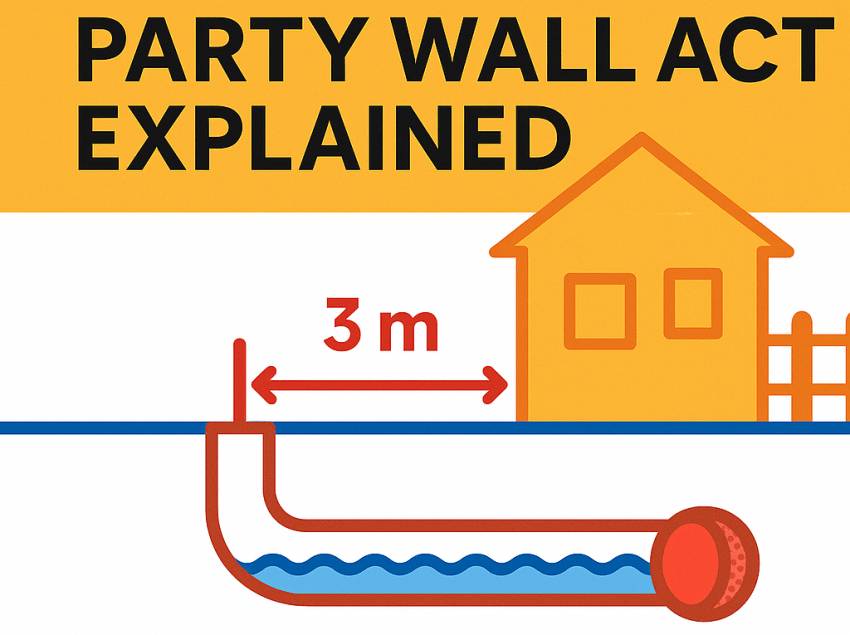
In Farnham, many older homes have shared lateral drains that run beneath garden boundaries. If your construction project involves excavating within 3 metres of a public or shared drain, or to a depth lower than the drain itself, the Act is likely to apply.
You may need to:
- Serve a Section 6 Notice if you’re excavating near a neighbour’s property
- Provide details of the depth and method of work
- Obtain consent or have an agreed Party Wall Surveyor draft an agreement
Why It Matters for Drainage
Ignoring the Party Wall Act could cause legal headaches or even stop your build. But beyond the paperwork, there’s a very practical reason to follow the rules: damage to shared drains can be costly and disruptive.
Even minor cracks or blockages caused by building works may leave you liable for repairs—not just on your side, but potentially for neighbouring properties too.
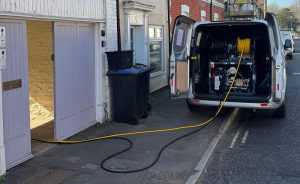
That’s why a pre-construction CCTV drain survey is a smart move. It provides evidence of the drain’s condition before work begins and protects you if disputes arise later.
Tips for Farnham Homeowners Building Near Drains
✅ Check with Thames Water or your local authority whether the drain is public or private
✅ Hire a professional to map out all underground services before digging
✅ If a Party Wall Notice is required, give at least 1 month’s notice
✅ Keep written records and photos of the drain layout and condition
✅ Consider appointing a Party Wall Surveyor early to avoid project delays
Summary
Building in beautiful Farnham? Don’t let your project go down the drain—literally. If your extension or garden office is near a boundary drain, take the time to understand your responsibilities under the Party Wall Act.
A little planning now protects your investment, maintains good neighbour relationships, and helps ensure your build goes smoothly from blueprint to reality.
Party Wall Act FAQs
Do I need to notify my neighbour if I’m building near a shared drain?
Yes. If your proposed construction work is within 3 metres of a shared or public drain, the Party Wall etc. Act 1996 may require you to serve formal notice to affected neighbours before starting.
What happens if my neighbour doesn’t respond to the notice?
If no response is received within 14 days, the Act requires the appointment of a surveyor (or two) to create a Party Wall Award, ensuring everyone’s rights are protected during the works.
What types of drains are covered under the Party Wall Act?
The Act applies to shared private drains or public sewers that run under or near a boundary. It doesn’t usually apply to internal pipework or private drains solely within your property.
Can I build an extension over a shared drain in Farnham?
You may be able to, but you’ll likely need approval from Thames Water or the local sewerage undertaker, especially if it’s a public sewer. A Build Over Agreement may also be required.
How can I protect existing drains during construction?
You should conduct a CCTV drain survey before works begin to map the system. Avoid placing heavy machinery over drain routes and follow building guidelines to prevent misalignments or collapses.